Expert Pressure Cleaning Central Coast. Professional Results Guaranteed by Cleanpass Services.
Pressure washing uses water expelled at pressure to lift and remove dirt, grime, mould, algae and long-term buildup from outdoor surfaces. It’s far more effective than standard hosing because the water pressure penetrates textured surfaces deeply and efficiently.
Not always. Pressure washing is ideal for many types of hard-wearing surfaces however experience and understanding how different types of services respond to differing pressure is key to ensuring optimal outcomes. Softer materials such as painted walls, timber, some roof types, render, or cladding can be damaged if pressure is used without control.
Choosing the correct method is crucial for protecting the surface and soft washing or house washing techniques are better for fragile surfaces.
It uses far less water than people expect. Because pressurised water cleans quickly and efficiently, overall usage is often lower than a garden hose trying to achieve the same result making it both effective and water-conscious.
Yes. Many stains respond well to professional pressure washing, especially when combined with hot water or pre-treatment products. Oil, tyre marks, mould, algae and ground-in grime can often be significantly reduced, and in best case scenarios completely removed.
For stubborn stains or large areas, yes. Professionals understand how to match pressure, heat, pre-treatments and technique to each surface, avoid damage, manage runoff and deliver an even, long-lasting finish.
Most outdoor surfaces benefit from a professional pressure wash every 12–24 months, depending on shade, airflow, moisture, vehicle traffic and nearby vegetation. High-use driveways or heavily shaded areas may need more frequent cleaning to control mould, slippery algae, moss and grime.
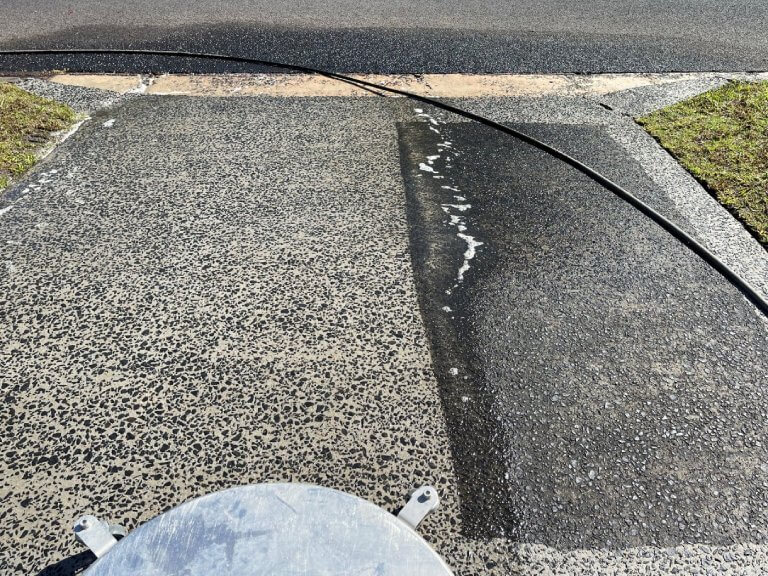
High-pressure cleaning uses a powerful, pressurised stream of water forcibly removes dirt, grime, moss, stains and built-up contaminants from durable outdoor surfaces like concrete, cement blocks, driveways, footpaths, and pavers. A high-pressure pump forces water at high speed through specialised nozzles to provide deep cleaning that regular hosing cannot achieve.
The result, effective and efficient removal of deep-seated stains and rapid displacement of surface dirt and contaminants.
No! Not every surface can tolerate high pressure. Materials like timber, painted walls, cladding, render, brick, and older masonry may be damaged by excessive force. For those surfaces, a controlled low-pressure or soft-wash method is a safer choice.
The main benefits include deeper cleaning, longer lasting results, improved safety through better surface traction, enhanced property appearance, reduced long-term wear and lower maintenance needs. It’s also a fast and water-efficient method for restoring outdoor surfaces.
Yes. High-pressure water can lift oil, grease, tyre marks, and various stubborn set in stains.
Some stains especially older oil or deep oxidation may require pre-treatment, hot water or specialised cleaners for the best results.
High-pressure cleaning works best on hard, durable surfaces such as concrete, pavers, tiles, retaining walls and industrial hardstands. These materials can withstand higher pressure when the correct nozzle, distance and technique are used, allowing deep removal of dirt, organic contaminants and stains without eroding the surface.
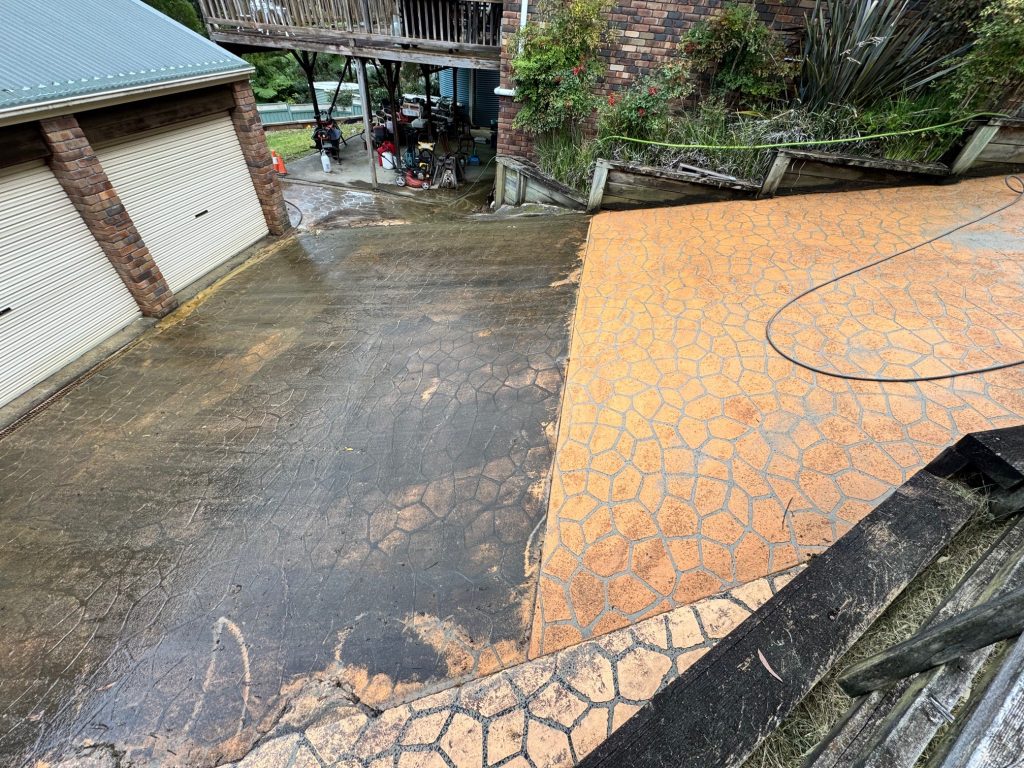
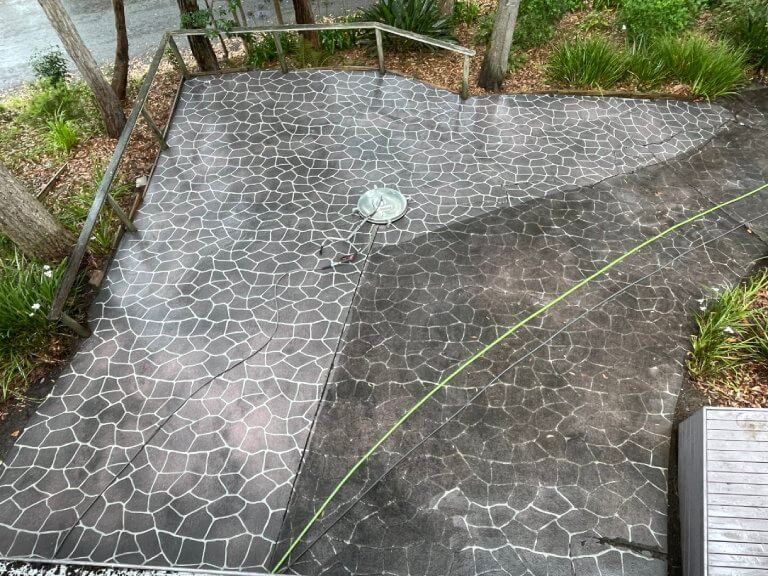
Some surfaces require far more caution. Pebblecrete, decorative stencilcrete, newly laid concrete, brickwork and painted finishes can be damaged if excessive pressure is applied. These areas often need a lower-pressure or soft-wash approach to prevent scarring, etching or lifting of coatings.
Regardless of the material, planning, surface assessment and operator experience are essential. High-pressure cleaning should always be matched to the substrate to ensure the result is thorough, even and safe.
Most outdoor hard surfaces benefit from high-pressure cleaning every 12–24 months, depending on weather exposure, foot traffic and nearby or overhanging vegetation. High-use areas or shaded spaces where dirt and debris accumulate, and where moss and algae flourish may need more frequent attention.
It’s also important to monitor surfaces that are cleaned regularly. Repeated high-pressure washing on the same material year after year can gradually wear certain surfaces, so the cleaning method and frequency should always be matched to the condition and durability of the surface condition and integrity.
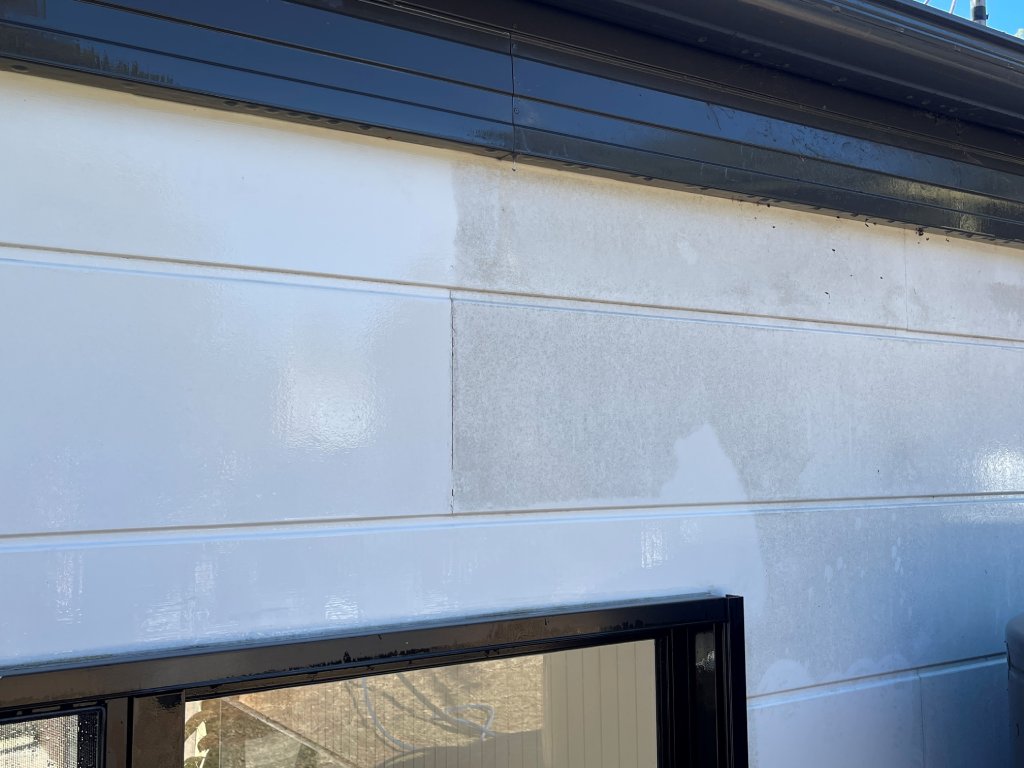
House washing is a gentle cleaning technique used to clean the exterior of your home, including walls, gutter exteriors, eaves, cladding, trims and exterior fixtures. It uses specialised cleaning solutions to treat and remove mould, algae, mildew, lichen cobwebs and breakdown dirt and pollution matter that has settled on the house exterior.
The goal is to breakdown the organic contaminants and environmental buildup before rinsing off with low pressure to restore a clean, fresh appearance.
With the right approach, no. Surrounding plants and lawns are pre-soaked and protected to prevent irritation from detergents. Runoff is managed carefully so landscaping remains safe and unaffected using neutralisers.
Yes. When carried out correctly, house washing is safe for painted surfaces, cladding, trims and sealants. The soft-wash method uses low pressure, controlled technique and the right cleaning solutions to treat and remove all manner of organic and inorganic contaminants without damaging the surface.
Because the process relies on gentle rinsing rather than force, it avoids common risks such as paint stripping, etching, sealant displacement or water being pushed into unwanted areas. When performed with proper preparation and professional technique, soft washing provides a thorough clean while protecting the integrity of the surface.
Most homes benefit from a professional exterior wash every 12–24 months, but the ideal frequency depends heavily on local conditions. Properties in shaded, coastal or high-moisture areas often experience faster mould, algae and grime buildup and may require cleaning more regularly.
If you’re starting to notice discolouration or visible organic growth on walls, eaves or trims, it’s usually a sign that your home or business is ready for a wash. Factors that influence how often a property needs cleaning include limited sunlight, overgrown vegetation, persistent moisture, lack of airflow, and proximity to busy roads or salt-laden coastal air. Assessing these conditions helps determine the right maintenance schedule to keep exterior surfaces clean and protected.
Definitely. By removing spores, organic buildup and pollutants, house washing slows the return of mould and algae. Treating the contamination properly helps protect the exterior surfaces and prolongs paint life.
Soft washing uses low pressure and gentle solutions to clean fragile surfaces like paint, render and cladding.
While pressure cleaning uses far greater pressure more suited to driveway cleaning, concrete cleaning, and paver cleaning. Choosing the correct cleaning method greatly reduces the risk of damage to surfaces and ensures a thorough clean.
Driveways collect oil, tyre marks, dirt, mould, algae, and pollutants causing them to become unsightly, and dangerously slippery. Cleaning restores appearance, reduces slip hazards, and helps protect concrete or pavers from premature wear or deterioration.
Sealing is highly recommended. A quality sealer protects against future staining, slows mould and slippery algae regrowth and makes maintenance easier. It also enhances appearance and prolongs the lifespan of concrete or paver surfaces.
Professional driveway cleaning can effectively remove oil, grease, tyre marks, mould, algae, leaf stains (tannin stains), and general discolouration. Stubborn stains may require hot water or specialised treatment for best results.
It can if done incorrectly. Excessive pressure or the wrong nozzle choice can cause etching, pitting or surface damage. Using commercial surface cleaners and calibrated pressure delivers a safe, and more consistent finish.
A driveway typically needs cleaning every 12–18 months, these intervals may need to be more frequent in some circumstances where climate and exposure have had a compound effect on the driveway surface. Other factors that may impact the driveway surface are persistent shaded areas and the presence of excessive moisture, poor drainage and surrounding landscaping. Businesses with frequent vehicle use or exposed to damp conditions may need more regular attention.
Absolutely. Removing algae, oil and other contaminants greatly improve traction, especially when the driveway is wet and particularly sloped driveways. This makes the area safer for vehicles, pedestrians and visitors.
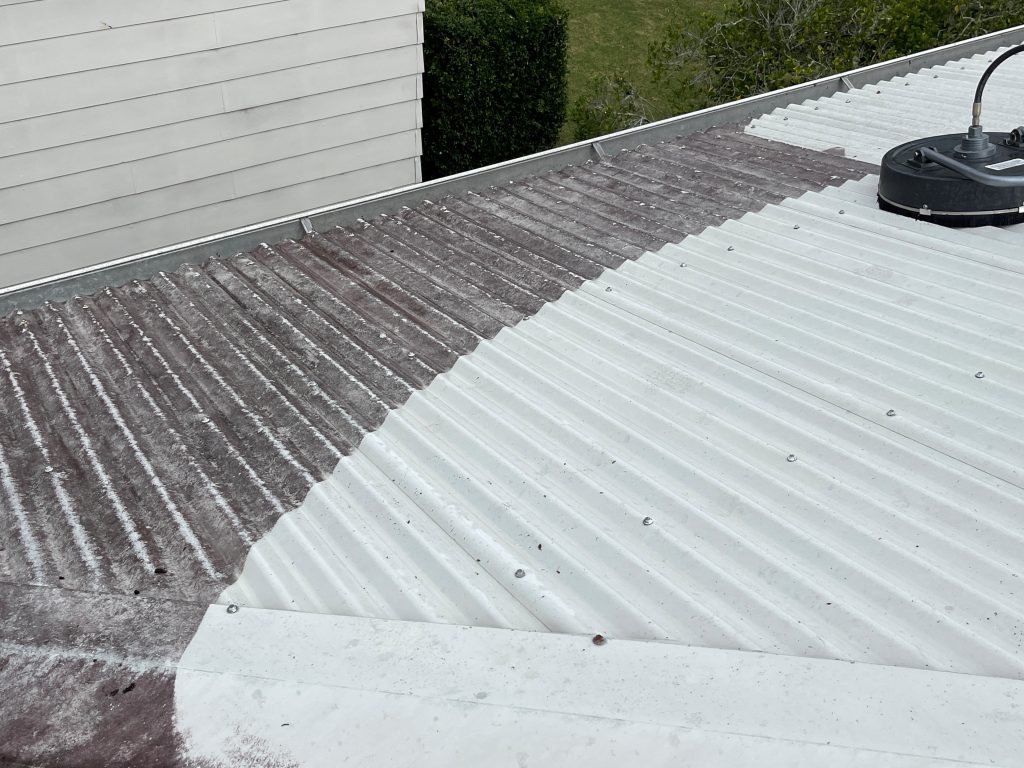
Roofs collect moss, lichen, mould, algae, dirt and organic and inorganic debris over time. Cleaning helps maintain structural integrity, improves drainage, prevents blockages and restores the property’s overall appearance.
Many roofs benefit from cleaning every 2-5 years, though shaded, coastal or tree-covered homes may require more frequent maintenance to control algae, mould, moss and lichen.
Solar panels require low-pressure cleaning and non-abrasive methods to avoid damaging glass, frames, junction boxes, and seals. The surrounding roof area can be cleaned to improve drainage and maintain performance.
High pressure is not recommended for roof cleaning. High pressure cleaning can strip coatings, damage tiles, displace sealants, crack pointing and force water into the roof structure. Low pressure soft washing with the use of chemical treatments is safer, and more than sufficient provided runoff is diverted away from stormwater.
Chemically taint runoff must never enter the stormwater system, heavy fines apply to the home and business owners as well as the roof cleaner performing the work under EPA Regulations.
Yes by removing moss, lichen and accumulated debris, water can flow freely off the roof and into gutters. This reduces the chance of pooling, overflow and water ingress issues. It also help prevent premature roof material deterioration.
Proper roof cleaning requires fall protection, controlled access, anchor points and safe working techniques. Professional operators use the correct equipment to protect both the property and the person working at height.
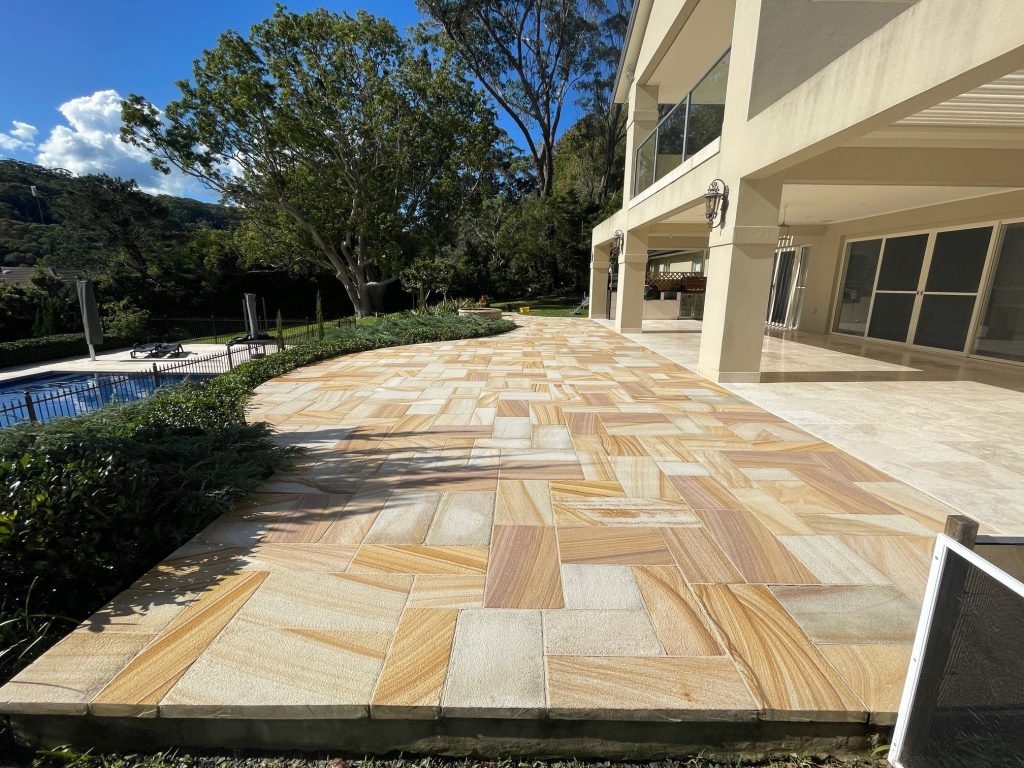
Most paver areas should be cleaned every 12–18 months. Shaded patios and pool surrounds may require more frequent cleaning due to the persistent presence of moisture and organic growth.
Sealing helps protect against stains, moisture infiltration, mould and UV damage. It keeps pavers looking better for longer and makes future cleaning easier.
Pavers trap moisture, dirt, mould, algae, weeds and leaf tannins. Weather, shade and foot traffic accelerate the buildup, causing surfaces to darken or develop slippery patches.
Some paved areas more particularly older installations may benefit from re-sanding to secure joints and reduce movement. Your surface will be assessed before and after cleaning.
Yes, pressure cleaning can damage pavers or wash out joint sand if the wrong pressure, nozzle or technique is used. Some paved areas are highly sensitive to force, and excessive pressure may erode the surface, weaken edges, or dislodge joint material. A careful inspection is essential to determine the safest approach, as high pressure can sometimes do more harm than good.
When pavers are installed using sand-filled joints rather than mortar, some level of sand loss is normal during cleaning. In most cases, re-sanding or rejointing is recommended after cleaning to restore stability, protect the edges of each paver, and prevent movement or future sinking.
Absolutely. Pressure cleaning lifts dirt from joints, making it harder for weeds to re-establish. Additional treatment may be recommended for stubborn areas.
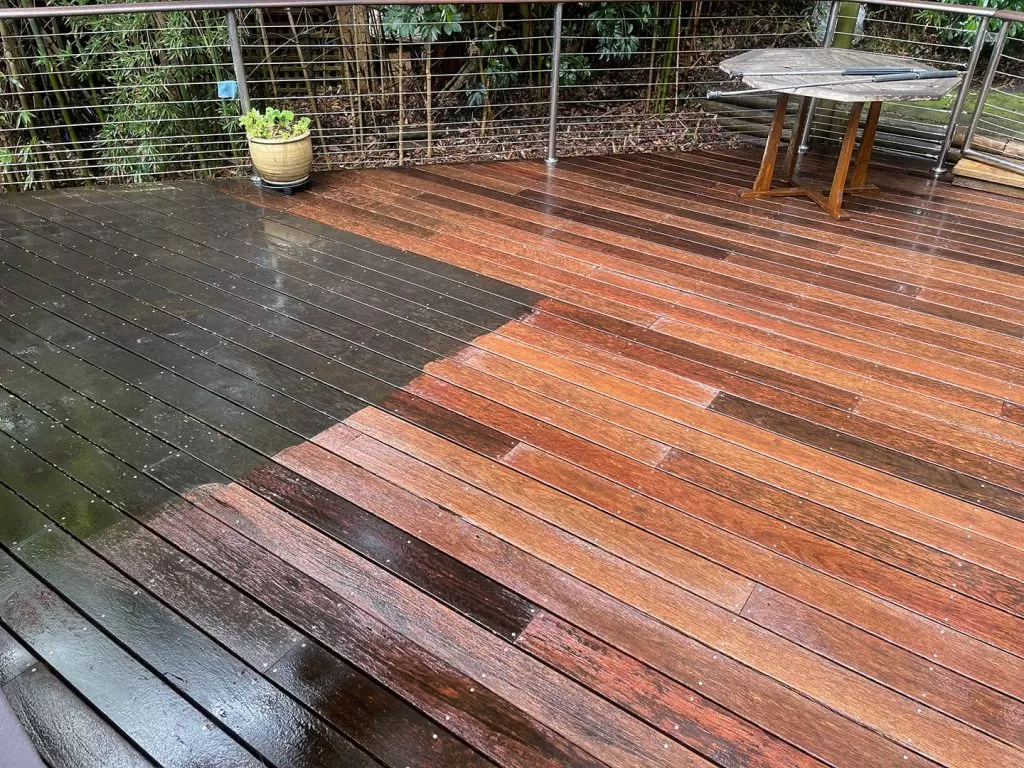
Timber needs a gentle approach. High pressure can strip fibres, roughen the surface or cause splintering. Decks are best cleaned with controlled pressure or a soft-wash method, so contaminants are removed without damaging the timber.
Often, yes. Professionals understand how to balance cleaning solutions, dwell time and pressure levels to avoid damaging the timber. This ensures a thorough, even clean that preserves the condition and longevity of the deck.
Professionals glean a lot of experience and knowledge from past work.
Sealing or oiling is recommended once the deck is clean and dry. Protective coatings help guard against UV damage, moisture absorption and future mould growth while enhancing the timber’s natural colour.
Timber decks collect moisture, dirt, leaves and organic buildup, especially in shaded or damp areas. Over time, mould and algae develop, making the surface slippery, while sun exposure fades the natural colour and causes the timber to turn grey.
Yes. Using suitable deck-safe detergents and controlled rinsing, mould and algae can be lifted effectively.
This improves traction, restores appearance and helps the timber dry more efficiently after rain.
Most timber decks benefit from a professional clean and re-oiling every 12–18 months, but the ideal schedule depends on exposure. Decks that receive strong midday sun can dry out faster and may require more frequent maintenance, while decks in shaded or moisture-prone areas especially those where leaves, debris or water regularly collect often need attention sooner to prevent surface deterioration.
Simple ongoing care between professional cleans makes a significant difference. Regularly clearing leaf matter, sweeping debris and using a blower to remove pooling moisture helps protect the timber, slows mould growth and can extend the time between professional cleaning and resurfacing.
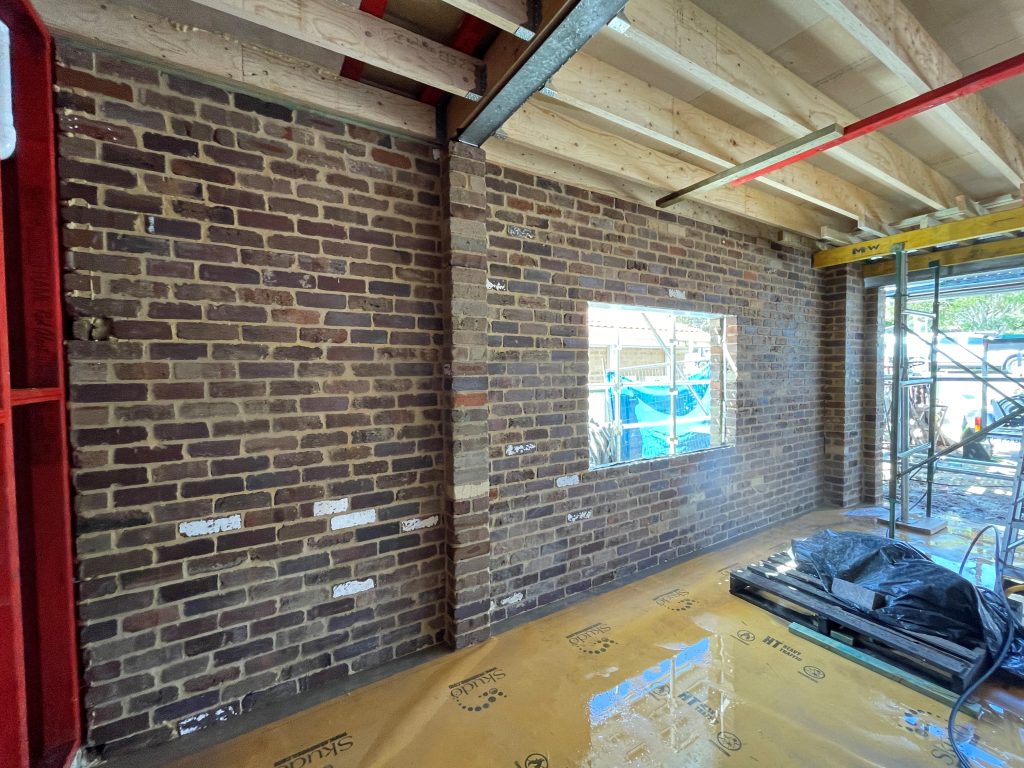
Brick cleaning is the process of removing mortar residue and cement haze, built-up dirt, stains, mould and efflorescence to restore the natural colour and finish of masonry. The process is tailored to the brick type, using calibrated pressure, hot water or masonry-safe detergents to prevent etching or damage. When done correctly, brick cleaning improves appearance, protects the surface and extends the life of the brickwork.
Not always. Some brick types respond better to soft washing, hot water or masonry-safe detergents. Acid is mainly used post-construction and to facilitate the removal of efflorescence, under controlled conditions. Acid should never be used on brick with high iron content and never before cross referencing with the brick manufacturers cleaning recommendations. Many brick types nowadays do not respond well to the use of acids so it’s crucial to check with the brick manufacturer if unsure.
The use or overuse of aggressive acids such as hydrochloric acid, or inexperienced use of high pressure can damage soft bricks, significantly erode joints, or cause uneven finish.
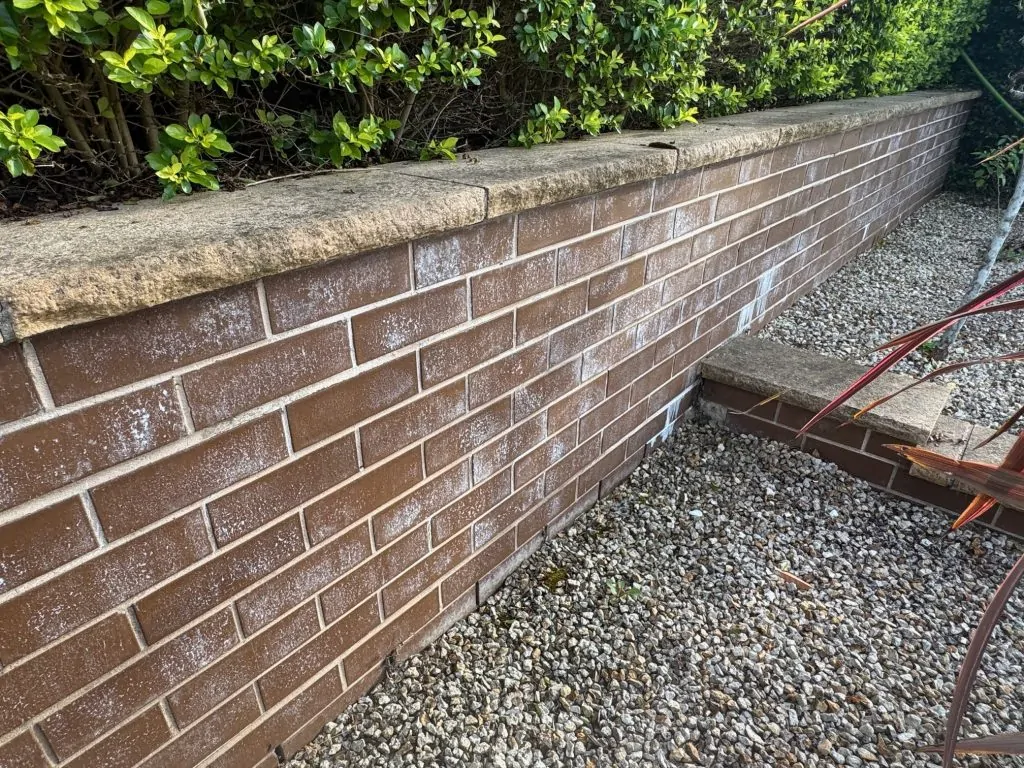
Efflorescence appears as white, powdery salt deposits caused by moisture movement through masonry. Proper cleaning removes the deposits, though long-term solutions often involve improving drainage and/or waterproofing.
Yes. Post-construction brick cleaning is designed specifically to remove mortar residue and haze left after bricklaying. The method is chosen to avoid streaking or colour distortion.
Brick cleaning uses methods specifically designed for masonry, while pressure washing relies mainly on force. Many brick surfaces require specialised acidic cleaners to remove mortar smears, cement haze and other alkaline residues something high pressure alone cannot achieve.
However, acid should never be used on older brickwork or areas affected by organic staining such as mould, algae or dirt. These surfaces need alkaline cleaners, as acid will cause organic material to darken or turn black, permanently marking the brick face.
Because each brick type responds differently, brick cleaning involves selecting the right chemical system and applying controlled pressure to avoid streaking, etching or damaging the masonry.
When performed correctly, no. The aim is to restore natural colour, not alter it. Damage occurs only when harsh chemicals (acids like hydrochloric acid) or high pressure are used incorrectly which is why experience and technique matters.
Absolutely. Removing algae, mould and oily residue improves traction and reduces slip hazards especially in wet weather.
Sealing is highly recommended. A quality sealer protects against staining, moisture penetration and surface wear, making maintenance easier and the concrete last longer.
Damage occurs only when incorrect pressure or poor technique is used. Professional equipment applies even cleaning to avoid streaks, etching or pitting.
Concrete absorbs oil, dirt, algae, tyre marks, leaf stains and pollutants because of its porous surface. Over time, these contaminants darken the concrete and make it slippery.
Yes. Hot water combined with the correct detergents and pressure settings can significantly reduce or remove oil stains, grease patches and tyre marks.
Most concrete areas benefit from cleaning every 12–18 months. High-traffic sites or damp shaded areas may require more regular maintenance to control mould and grime.
Hot water pressure cleaning uses heated water and powerful steam to break down oil, grease, bacteria, algae and heavy grime faster and more thoroughly than cold-water pressure cleaning. Hot water pressure cleaning is also commonly referred to as power washing.
(People also searched for: hot water pressure cleaning, power washing vs pressure washing, hot water pressure washer near me, remove oil from concrete, hot water vs cold water cleaning, commercial hot water pressure cleaning)
It’s ideal for driveways, commercial areas, grease spills, food service spaces, carparks, machinery, mould-heavy surfaces and anywhere deep contamination needs to be eliminated.
Hot water pressure cleaning is excellent option for roof cleaning, and more particularly in environmentally sensitive areas.
Most hard surfaces respond extremely well to hot water. Delicate surfaces may require temperature adjustment or a different method. The system is calibrated based on what’s being cleaned.
For cleaning of vehicles, caravans or earthmoving and plant equipment hot water should not exceed 40°C on painted surfaces or plastics. Excessive temperatures can stress paint and plastic surfaces and cause fading or irreversibly damage.
It can, because the equipment is more advanced and requires more energy using double the amount of fuel as opposed to a cold-water pressure washer.
Fuel is used to run the pump, and fuel is used to power the hot water boiler. That said, it cleans faster and delivers longer-lasting results, reducing overall maintenance costs.
For this reason, many operators charge extra for the cost of running the fuel for the boiler.
NOTE: Cleanpass Services does not charge extra for hot water services.
Heat dissolves oils, softens hardened dirt and speeds up how quickly contaminants lift from the surface. This means tough stains can be removed using less pressure and fewer chemicals.
Often, yes or it significantly reduces the amount required. Hot water does much of the heavy lifting on its own, allowing for a cleaner finish without harsh products.
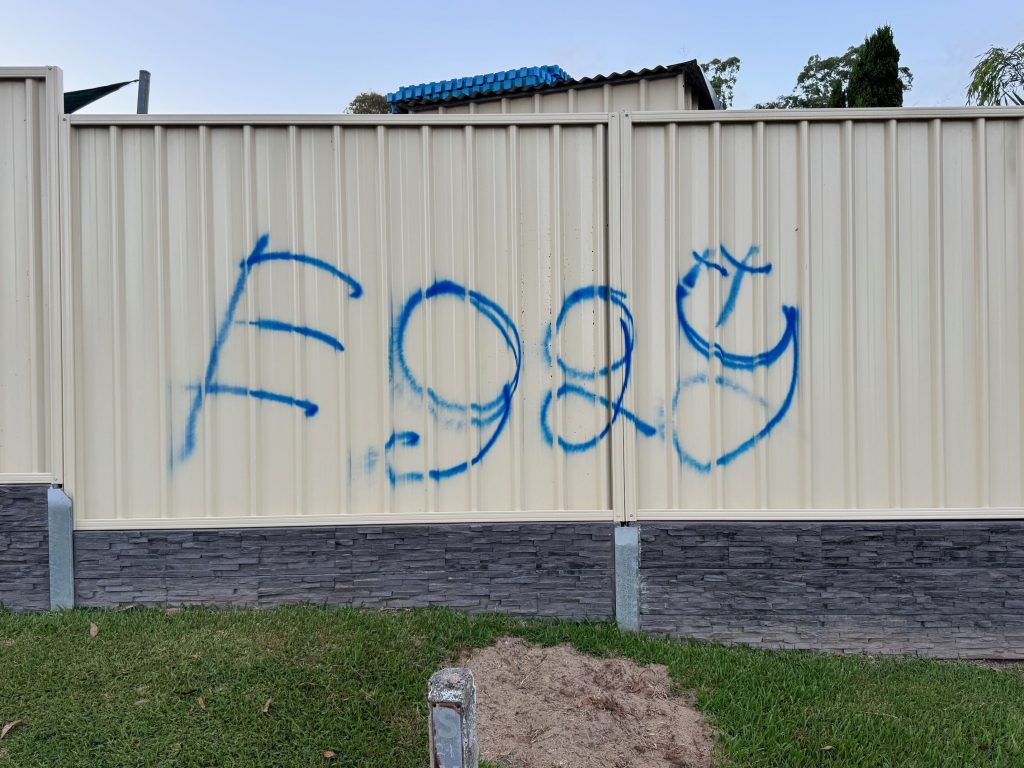
Graffiti removal is the process of safely lifting spray paint, markers, inks and stains from walls, fences, brickwork and public surfaces without damaging the material underneath. The technique depends on the type of paint, age of the graffiti and porosity of the surface.
Most graffiti can be fully removed, but older or heavily absorbed paint that is UV affected may leave faint shadows. In those cases, a combination of deeper cleaning, colour restoration and matching.
Once graffiti is removed, it is recommended anti-graffiti protective coatings should be applied to the surface.
The sooner graffiti is removed, the easier it is to lift and the less chance it has to soak into porous materials.
Fast removal also discourages repeat tagging and helps maintain the appearance and safety of the property. Offenders seek attention through their vandalism and deny them that gratification is the most proactive measure a property owner can take.
Not when the correct method is used. Professionals assess the surface first, then choose a product and pressure level that lifts the paint with the goal of preventing any type of etching or marking the substrate.
Protective coatings are an excellent long-term solution, especially for high-risk locations. They create a barrier that makes future graffiti removal much easier, faster, and far more cost-effective to remove.
Yes, though each surface needs a different approach. Brick and render often require specialised removers and controlled pressure to avoid shadowing and scarring of the surface. Concrete can typically withstand stronger methods but still requires careful calibration.
Weed & Seed Cleaning Certification is an official declaration that machinery, vehicles or equipment have been inspected, cleaned and cleared of soil, plant material, seeds, insects or other organic matter to comply with biosecurity and phytosanitary standards. It demonstrates the asset is “clean” and suitable for transport, cross-border movement, or deployment in sensitive environments.
The process usually follows a structured 5-step procedure: pre-assessment, dry clean-down to remove bulk soil and debris, detailed wash down (including but not limited to; tracks, undercarriage, radiators, cabs, attachments, knuckles, engine bay, suspension, radiator, tool compartment, fire suppression systems, hydraulic hosed and wiring), inspection and rework if needed, then documentation and certificate issue.
Certification is typically required before moving heavy plant, agricultural machinery, trucks or trailers into biosecurity-sensitive zones such as farms, mines, construction sites, national parks, or across state borders. It’s also essential for machinery being exported, hired out, or reused in a different region to prevent spreading invasive species, weeds, soil-borne pests or pathogens.
The certificate remains valid only until the machinery remains free of all organic material after cleaning. Once the machinery, vehicle or equipment is moved again or begins operation it is exposed to contamination. If it is used after certification whether traveling, operating in contaminated zones, or collecting soil it must be cleaned and re-certified before any further biosecurity-sensitive travel or job.
Yes. Because proper Weed & Seed Cleaning requires specialised equipment (hot-water or steam, waste-water recovery, controlled pressure, extensive experience and understanding of machinery and regulations), careful inspection, and documented procedures, professional cleaning helps ensure compliance. It also reduces risk of rejection at border checks, export yards or site entries, protecting you from heavy regulatory penalties.
To qualify, all organic material must be removed this includes soil, sand, plant parts (roots, leaves, bark, seeds, pollen), animal or insect matter, manure or compost residue. Even traces can count as contamination under biosecurity rules.
Efflorescence is the white, powdery salt deposit that forms when moisture travels through masonry or concrete and evaporates at the surface leaving mineral salt deposits on the surface.
It’s caused by water dissolving mineral salts within masonry, then carrying them to the surface as the water escapes. High moisture, poor drainage and poor waterproofing or new construction can accelerate the issue.
Yes. Proper cleaning methods lift the salt deposits and restore the surface, though underlying moisture problems may need addressing to prevent it from returning.
Pressure washing alone is usually not enough. Efflorescence requires specific treatments designed to dissolve salts without damaging the surface.
Improving drainage, sealing the surface and managing moisture exposure can significantly reduce recurrence.
Not always.
It often indicates moisture movement, not structural failure. However, heavy or persistent efflorescence may signal drainage or waterproofing issues worth investigating.
We use cookies to improve your experience on our site. By using our site, you consent to cookies.
Websites store cookies to enhance functionality and personalise your experience. You can manage your preferences, but blocking some cookies may impact site performance and services.
Essential cookies enable basic functions and are necessary for the proper function of the website.
You can find more information in our Cookie Policy and Cleanpass Services Privacy Policy.